Nighttime Skincare: Maximize Repair & Regeneration by 15% in 2026

Anúncios
Achieving a 15% increase in skin repair and regeneration by 2026 is attainable through a strategic 5-step nighttime skincare routine focused on cellular renewal and barrier support.
Anúncios
Are you ready to truly transform your complexion while you sleep? The concept of nighttime skincare regeneration is not just a trend; it’s a fundamental pillar of lasting skin health. By focusing on a targeted 5-step routine, you can maximize your skin’s natural repair processes and aim for a remarkable 15% increase in regeneration by 2026. Let’s delve into how your skin works overnight and the specific actions you can take to harness this powerful time.
Understanding the Science of Nighttime Skin Repair
Our skin is a dynamic organ, constantly working to protect us from environmental stressors. While we sleep, it shifts from a protective mode to a reparative one, a critical window for cellular renewal and healing. This nocturnal activity is far more intense than during the day, making a dedicated nighttime routine indispensable for long-term skin vitality.
During the night, various biological processes accelerate. Cell turnover rates increase, allowing for the shedding of dead skin cells and the emergence of new, healthier ones. The skin’s barrier function becomes more permeable, which means it’s more receptive to active ingredients. Furthermore, the production of collagen and elastin, essential proteins for skin firmness and elasticity, is boosted. Understanding these physiological changes is the first step toward optimizing your skincare strategy.
Anúncios
The Circadian Rhythm and Skin
Just like the rest of our body, skin follows a circadian rhythm, a 24-hour cycle that influences its functions. At night, blood flow to the skin increases, aiding in nutrient delivery and waste removal. Melatonin, the sleep hormone, also plays a role in antioxidant defense, combating free radical damage accumulated during the day. Disruptions to this rhythm, often caused by poor sleep or inconsistent routines, can directly impact skin health, leading to dullness, accelerated aging, and impaired barrier function.
- Increased cellular renewal and repair.
- Enhanced absorption of active ingredients.
- Boosted collagen and elastin production.
- Improved antioxidant defense mechanisms.
In essence, the night provides an unparalleled opportunity for your skin to recover, rebuild, and rejuvenate. By aligning your skincare regimen with these natural processes, you’ll be setting the stage for a healthier, more resilient complexion that can truly maximize its regenerative potential. Ignoring this vital period means missing out on significant benefits for your skin’s overall health and appearance.
Step 1: The Art of Double Cleansing for Deep Purification
Effective nighttime skincare begins with a thoroughly clean canvas. Double cleansing is not merely a trend; it’s a foundational step that ensures all impurities, makeup, SPF, and pollutants are completely removed, allowing subsequent products to penetrate and work efficiently. This two-phase approach is crucial for preventing clogged pores, breakouts, and for optimizing the skin’s reparative functions.
The first cleanse typically involves an oil-based cleanser, balm, or micellar water. These formulations are adept at dissolving oil-soluble impurities like makeup, sunscreen, and excess sebum without stripping the skin’s natural moisture. Gently massage the product onto dry skin, allowing it to emulsify and lift away the day’s grime. This initial step is vital for breaking down stubborn products that water-based cleansers alone might miss.
Choosing the Right Cleansers
For the second cleanse, opt for a water-based cleanser suited to your skin type. If you have oily or acne-prone skin, a gel or foaming cleanser with salicylic acid might be beneficial. For dry or sensitive skin, a creamy, hydrating cleanser without harsh sulfates is preferable. This second step purifies the skin further, removing any residual impurities and preparing it for the next stages of your routine.
- Oil-based cleanser: Dissolves makeup, SPF, and oil-based impurities.
- Water-based cleanser: Removes remaining dirt, sweat, and prepares skin.
- Prevents clogged pores and breakouts.
- Enhances product absorption.
Double cleansing provides a fresh start for your skin each night, ensuring that active ingredients in your serums and moisturizers can reach their targets without obstruction. This thorough purification is a non-negotiable first step towards maximizing your skin’s regenerative capacity and achieving your 2026 goals.
Step 2: Targeted Treatment with Potent Serums
Once your skin is meticulously clean, the next crucial step in your nighttime skincare regeneration routine is the application of targeted treatment serums. Serums are concentrated formulas designed to deliver high doses of active ingredients deep into the skin, addressing specific concerns like fine lines, hyperpigmentation, elasticity loss, and overall cellular renewal. This is where you really amplify your skin’s reparative efforts.
Choosing the right serum depends on your individual skin needs and goals. Retinoids (retinol, retinaldehyde, tretinoin) are often considered the gold standard for nighttime use due to their ability to accelerate cell turnover, stimulate collagen production, and reduce the appearance of wrinkles and dark spots. Start with lower concentrations and gradually increase frequency to build tolerance.
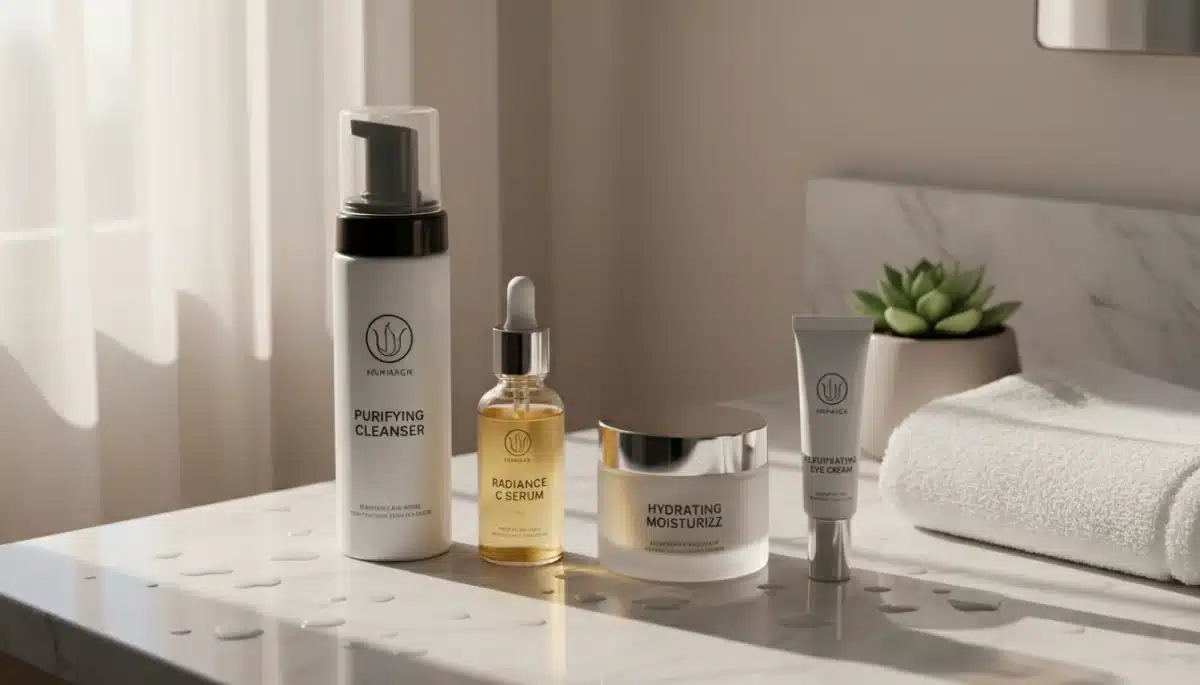
Other powerful nighttime ingredients include peptides, which signal the skin to produce more collagen, and antioxidants like Vitamin C (though often used in the morning, some stable forms are effective at night for repair). Hyaluronic acid, while hydrating, can also be layered with more active serums to support the skin’s moisture barrier and plump the skin.
Key Serum Ingredients for Nighttime Repair
- Retinoids: Promote cell turnover, reduce wrinkles, improve texture.
- Peptides: Stimulate collagen, enhance skin firmness.
- Antioxidants: Combat free radical damage, support cellular health.
- Growth Factors: Aid in cellular repair and regeneration.
Apply your chosen serum(s) to slightly damp skin to enhance absorption. A few drops are usually sufficient. Gently press or pat the serum into your face and neck, allowing it a moment to absorb before moving to the next step. This targeted approach ensures that your skin receives a concentrated dose of restorative ingredients, directly supporting its overnight repair processes and contributing significantly to your regeneration goals.
Step 3: Nourishing and Sealing with a Rich Moisturizer
After applying your targeted serums, the next vital step is to seal in all those beneficial ingredients and provide intense hydration with a rich, reparative moisturizer. Nighttime moisturizers are typically thicker and more occlusive than their daytime counterparts, designed to support the skin’s barrier function, prevent transepidermal water loss (TEWL), and facilitate the healing process while you sleep.
A good nighttime moisturizer acts as a protective blanket for your skin, locking in the serums and preventing the natural moisture evaporation that occurs overnight. Look for formulas rich in ceramides, fatty acids, and cholesterol—the natural building blocks of your skin barrier. These ingredients help to strengthen the barrier, making your skin more resilient to environmental damage and better able to retain hydration.
Ingredients for Optimal Nighttime Hydration
Consider moisturizers that also contain humectants like hyaluronic acid or glycerin, which draw moisture from the air into the skin, and emollients such as shea butter or squalane, which smooth and soften the skin’s surface. For those focused on anti-aging, some night creams also incorporate peptides or gentle retinoids, providing an additional boost to your nighttime skincare regeneration efforts.
- Ceramides: Restore and strengthen the skin barrier.
- Fatty Acids: Essential for skin health and integrity.
- Hyaluronic Acid: Provides deep hydration and plumps the skin.
- Squalane/Shea Butter: Soothe, soften, and prevent moisture loss.
Apply a generous amount of your chosen night cream evenly over your face and neck, gently massaging it in. This step is crucial for creating an optimal environment for your skin to repair and regenerate, ensuring that you wake up with a soft, supple, and well-hydrated complexion that is visibly improved and ready to face the day.
Step 4: The Importance of Overnight Eye and Lip Care
Often overlooked, the delicate skin around your eyes and on your lips requires special attention in your nighttime routine. These areas are thinner and more susceptible to signs of aging, dehydration, and environmental damage. Incorporating dedicated eye creams and lip treatments ensures comprehensive care, complementing your overall nighttime skincare regeneration strategy.
The skin around the eyes lacks oil glands, making it prone to dryness, fine lines, and dark circles. Nighttime eye creams are formulated with specific ingredients to address these concerns. Look for products containing peptides to stimulate collagen, hyaluronic acid for hydration, and gentle retinoids or caffeine to reduce puffiness and improve circulation. Consistency is key for visible results.
Targeted Care for Delicate Areas
For your lips, a rich, occlusive lip mask or balm applied before bed can work wonders. This prevents the significant moisture loss that occurs overnight, leaving your lips plump, soft, and hydrated by morning. Ingredients like shea butter, lanolin, ceramides, and vitamin E are excellent choices for intensive lip repair.
- Eye creams: Target fine lines, dark circles, and puffiness.
- Peptides: Boost collagen production in the eye area.
- Hyaluronic acid: Hydrates and plumps delicate skin.
- Lip masks/balms: Prevent dehydration and repair chapped lips.
Gently pat your eye cream around the orbital bone using your ring finger, avoiding direct contact with the lash line. Apply a generous layer of lip treatment. By dedicating a few extra moments to these sensitive areas, you ensure that every part of your face benefits from the reparative power of your nighttime routine, contributing to a more youthful and revitalized appearance across the board.
Step 5: Optimize Your Sleep Environment and Habits
Beyond topical applications, the quality of your sleep environment and daily habits significantly impacts your skin’s ability to repair and regenerate. A truly holistic approach to nighttime skincare regeneration extends beyond products to encompass lifestyle factors that profoundly influence skin health. This step is about creating the ideal conditions for your skin to thrive during its most active reparative phase.
Firstly, prioritize consistent, high-quality sleep. Aim for 7-9 hours of uninterrupted rest each night. During deep sleep, the body produces human growth hormone, which is vital for cell repair and regeneration. Poor sleep, conversely, can lead to increased cortisol levels, which can break down collagen and exacerbate inflammation, counteracting all your skincare efforts.
Creating a Skin-Friendly Sleep Environment
Consider investing in a silk pillowcase. Unlike cotton, silk is less absorbent, meaning it won’t strip moisture from your skin or hair. Its smooth surface also reduces friction, which can minimize the formation of sleep creases and prevent hair breakage. Maintaining a cool, dark, and quiet bedroom environment further promotes restful sleep and optimal skin repair.
- Aim for 7-9 hours of quality sleep.
- Use a silk pillowcase to reduce friction and moisture loss.
- Ensure your bedroom is cool, dark, and quiet.
- Avoid screen time before bed to improve sleep quality.
Finally, hydration is key. Ensure you’re drinking enough water throughout the day, as dehydration can impact skin elasticity and overall health. By integrating these lifestyle adjustments with your product-based routine, you create a powerful synergy that maximizes your skin’s regenerative capacity, paving the way for noticeable improvements by 2026.
Beyond the Five Steps: Sustaining Your Skin’s Future
While the 5-step routine forms the bedrock of maximizing your nighttime skincare regeneration, sustaining these benefits requires a commitment to consistency and an understanding that skin health is an ongoing journey. Achieving a 15% increase in repair by 2026 isn’t just about following steps; it’s about making informed choices and adapting your routine as your skin evolves and new scientific advancements emerge.
Regularly assess your skin’s needs. Factors like age, climate, diet, and stress can all influence how your skin responds to products. What worked perfectly a year ago might need adjustment today. Pay attention to how your skin feels and looks, and don’t hesitate to consult with a dermatologist or skincare professional to fine-tune your regimen. Their expertise can provide personalized recommendations and help you navigate the vast array of available products.
Embracing Long-Term Skin Health
Beyond your nightly ritual, consider incorporating occasional treatments like gentle chemical exfoliants (once or twice a week, depending on your skin’s tolerance and in conjunction with your retinoid use) or facial massages to boost circulation. Protecting your skin during the day with broad-spectrum SPF remains paramount, as daytime damage directly impacts nighttime repair efforts. A holistic approach that includes a balanced diet rich in antioxidants and healthy fats also contributes significantly to your skin’s ability to regenerate.
- Regularly assess and adapt your routine.
- Consult professionals for personalized advice.
- Incorporate complementary treatments (e.g., exfoliation).
- Maintain a healthy diet and lifestyle.
The journey to optimized skin regeneration is a marathon, not a sprint. By consistently adhering to these principles and being proactive about your skin’s health, you are not just aiming for a short-term fix but investing in a future where your skin is resilient, radiant, and continually regenerating. The commitment you make today will visibly manifest in healthier, more youthful-looking skin for years to come, well beyond our 2026 target.
| Key Step | Benefit for Regeneration |
|---|---|
| Double Cleansing | Ensures deep purification, allowing active ingredients to penetrate. |
| Targeted Serums | Delivers concentrated actives like retinoids for cell turnover. |
| Rich Moisturizer | Seals in hydration and strengthens the skin’s protective barrier. |
| Optimal Sleep | Facilitates natural growth hormone production for cellular repair. |
Frequently Asked Questions About Nighttime Skincare
Nighttime is when your skin’s repair and regeneration processes are most active. During sleep, skin cells turn over faster, and blood flow increases, making it the optimal time for active ingredients to penetrate and work effectively to heal damage and rebuild skin structure.
While possible, it’s generally not ideal. Night creams are typically richer, more occlusive, and formulated with reparative ingredients like retinoids or peptides. Daytime moisturizers often contain SPF and lighter textures, focusing on protection rather than intensive repair.
Results vary by individual and products used, but generally, you can expect to see noticeable improvements in skin texture, hydration, and overall appearance within 4-8 weeks. Significant regeneration, like our 15% goal, often requires consistent effort over several months.
Yes, especially if you wear makeup, SPF, or live in an urban environment. Double cleansing ensures all oil-based impurities and pollutants are removed, preventing clogged pores and allowing your treatment products to perform optimally without obstruction.
Sleep quality is paramount. During deep sleep, your body releases growth hormones essential for cell repair and collagen production. Poor sleep increases cortisol, which can accelerate aging and inflammation, directly hindering your skin’s regenerative capacity.
Conclusion
Embracing a dedicated 5-step nighttime skincare regeneration routine is more than just a beauty ritual; it’s a strategic investment in your skin’s long-term health and vitality. By understanding and supporting your skin’s natural nocturnal repair processes, you can significantly enhance its ability to rejuvenate, leading to a visibly improved complexion. The commitment to double cleansing, targeted serums, rich moisturization, specialized eye and lip care, and optimizing your sleep environment creates a powerful synergy. This comprehensive approach not only helps you achieve your goal of maximizing repair and regeneration by 15% by 2026 but also lays the foundation for enduring skin resilience and a radiant glow for years to come. Your skin works hard while you rest; give it the best tools to succeed.
