Sleep Tracking Tech: 2026 Device Comparison for Better Rest

Anúncios
The latest sleep tracking tech in 2026 offers advanced insights into sleep patterns, helping individuals optimize rest through innovative device comparisons and personalized data.
Anúncios
In a world that never truly sleeps, understanding and optimizing our rest has become paramount. The advancements in sleep tracking tech in 2026 are truly remarkable, offering unprecedented insights into our nocturnal patterns. But with so many devices on the market, how do you choose the one that’s right for you?
The evolution of sleep tracking technology
Sleep tracking technology has come a long way from simple pedometers that vaguely estimated sleep duration. Today, these devices leverage sophisticated sensors and algorithms to provide a comprehensive picture of our sleep health, moving beyond just how long we sleep to how well we sleep.
Anúncios
Early sleep trackers primarily relied on accelerometers to detect movement, inferring sleep and wake times. While revolutionary at the time, these basic models often lacked the precision needed for a truly actionable analysis. The data was a starting point, but rarely offered the depth required for meaningful behavioral changes.
From basic movement to biometric precision
Modern devices integrate a multitude of sensors, offering a much richer dataset. This includes heart rate variability, skin temperature, blood oxygen levels, and even brainwave activity in some advanced models. This multi-faceted approach allows for a more accurate classification of sleep stages, from light and deep sleep to crucial REM cycles.
- Heart Rate Variability (HRV): A key indicator of autonomic nervous system activity, reflecting stress and recovery.
- Skin Temperature: Can indicate circadian rhythm phases and potential illness.
- Blood Oxygen Saturation (SpO2): Essential for detecting potential sleep apnea or other respiratory issues.
- Brainwave Activity (EEG): The gold standard for sleep stage detection, now available in some consumer-grade devices.
The transition from simple motion detection to comprehensive biometric monitoring has transformed sleep tracking from a novelty into a powerful health tool. Users can now gain a deeper understanding of their individual sleep architecture, identifying patterns and anomalies that might impact their daily lives.
Key features to look for in 2026 sleep trackers
As we navigate the landscape of 2026’s sleep tracking tech, certain features stand out as crucial for delivering a truly impactful experience. Beyond basic sleep duration, the most effective devices offer a blend of accuracy, comfort, and actionable insights.
When evaluating a new sleep tracker, consider how well it integrates into your daily life and whether its data is presented in a way that empowers you to make positive changes. A device packed with features is only useful if those features translate into tangible benefits for your rest.
Accuracy in sleep stage detection
The ability to precisely differentiate between light, deep, and REM sleep is paramount. Devices using advanced algorithms, often trained on extensive polysomnography data, provide the most reliable insights. Look for independent validation studies if available.
A tracker that misinterprets sleep stages can lead to incorrect conclusions about sleep quality, potentially guiding users down the wrong path when trying to improve their rest. Precision in this area is non-negotiable for effective sleep optimization.
Comfort and wearability
Whether it’s a ring, a wristband, or a under-mattress sensor, comfort is key. A device that disrupts your sleep or feels cumbersome won’t be used consistently, negating its potential benefits. Consider your personal preferences and sleep habits.
- Wrist-worn devices: Offer convenience but can sometimes be bulky.
- Ring trackers: Discreet and comfortable for many, often with excellent sensor placement.
- Under-mattress sensors: Completely unobtrusive, ideal for those who prefer no wearables.
- Headbands/Patches: Can offer highly accurate brainwave data but might take getting used to.
The best sleep tracker is the one you will actually use every night. Prioritize comfort and a form factor that seamlessly integrates into your bedtime routine, ensuring consistent data collection for long-term insights.
Top sleep tracking devices of 2026: A detailed comparison
The year 2026 brings a refined selection of sleep tracking tech, each offering unique strengths tailored to different user needs. From sophisticated wearables to non-contact solutions, the market is rich with innovation aimed at enhancing your nightly rest.
Choosing the ‘best’ device often comes down to a balance of features, accuracy, comfort, and budget. Here, we delve into some of the leading contenders, highlighting what makes each one stand out in a competitive field.
Oura Ring Gen 4: The discreet biometric powerhouse
The Oura Ring Gen 4 continues to set a high bar for discreet sleep tracking. Its minimalist design belies a powerful array of sensors, including advanced PPG for heart rate and HRV, NTC thermistors for skin temperature, and an accelerometer for movement. The form factor makes it incredibly comfortable for consistent nightly wear, providing highly accurate data on sleep stages, readiness, and recovery.
Users appreciate its comprehensive app, which translates complex data into easy-to-understand scores and actionable recommendations. The Oura Ring’s focus on overall readiness, combining sleep with daily activity, makes it a holistic wellness tool.
Whoop 5.0: The performance and recovery coach
Whoop 5.0 is more than just a sleep tracker; it’s a 24/7 physiological monitoring system designed for athletes and those serious about optimizing performance and recovery. Worn on the wrist or bicep, it continuously tracks heart rate, HRV, skin temperature, and sleep stages with exceptional accuracy. Its proprietary algorithms calculate a daily ‘recovery’ score, guiding users on when to push harder and when to prioritize rest.
The detailed analytics and coaching features within the Whoop app are a major draw, offering personalized insights into how sleep, strain, and recovery interact. It’s an investment for those committed to a data-driven approach to their health.
Google Pixel Watch 3: Smartwatch integration with advanced sleep analytics
Building on its predecessors, the Google Pixel Watch 3 integrates robust sleep tracking capabilities directly into a stylish smartwatch. Leveraging Fitbit’s renowned sleep algorithms, it tracks sleep stages, heart rate, and SpO2. Its seamless integration with the Google ecosystem makes it a convenient choice for users already invested in Android devices.
The Pixel Watch 3 offers a balance of lifestyle features and health monitoring, providing sleep insights alongside notifications and fitness tracking. While perhaps not as specialized as a dedicated sleep tracker, its all-in-one functionality is appealing for many.
Eight Sleep Pod 4: The smart mattress revolution
For those seeking a non-wearable solution, the Eight Sleep Pod 4 represents the pinnacle of smart mattress technology. This advanced system tracks sleep stages, HRV, and respiratory rate without any physical contact. Its standout feature is dynamic temperature regulation, which adjusts the bed’s temperature throughout the night to optimize sleep cycles.
The Pod 4 learns your preferences and gradually optimizes your sleep environment. It’s a premium offering, but for those who prioritize comfort and a completely passive tracking experience, it delivers an unparalleled level of sleep optimization.
Understanding your sleep data: From raw numbers to actionable insights
Collecting sleep data is only the first step; the real value lies in understanding what those numbers mean and how to translate them into actionable changes for better rest. Modern sleep tracking tech excels at presenting complex data in an accessible format.
Many devices now include AI-powered insights and personalized coaching, helping users identify patterns, understand the impact of lifestyle choices on their sleep, and implement strategies for improvement. The goal is to move beyond mere measurement to genuine sleep optimization.
Interpreting sleep stage breakdowns
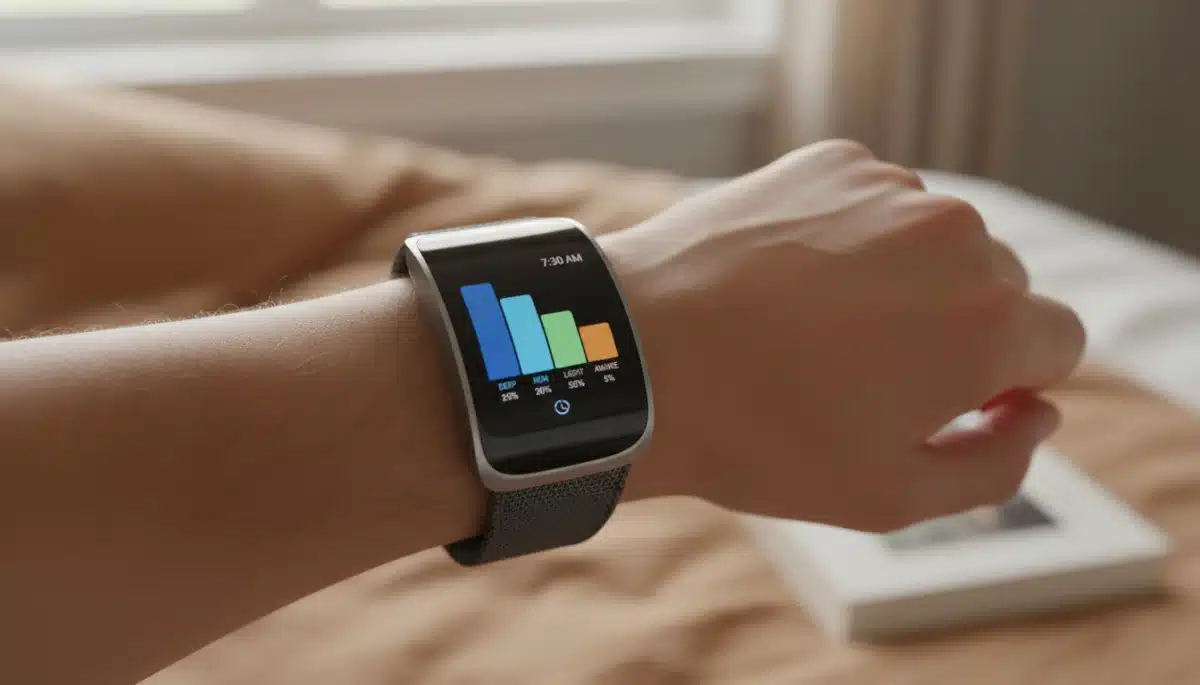
Your tracker will likely provide a breakdown of time spent in light, deep, and REM sleep. While individual needs vary, generally, sufficient deep sleep is crucial for physical restoration, and adequate REM sleep supports cognitive function and emotional regulation. Deviations from typical patterns can indicate underlying issues.
- Light Sleep: Transitional stage, important for overall sleep duration.
- Deep Sleep: Essential for physical recovery, growth hormone release, and immune function.
- REM Sleep: Crucial for memory consolidation, learning, and emotional processing.
Understanding your personal baseline for each stage can help you identify when something is off. For instance, consistently low deep sleep might prompt you to evaluate your evening routine or seek medical advice.
Heart rate variability and recovery scores
Many advanced trackers measure HRV, an indicator of your autonomic nervous system’s balance. A higher HRV generally suggests better recovery and resilience to stress. Devices often use HRV, alongside other metrics, to generate a ‘readiness’ or ‘recovery’ score, guiding your daily activity levels.
This score can be incredibly useful for athletes or anyone looking to optimize their daily energy levels. A low recovery score might suggest you need more rest or should opt for a lighter workout, preventing overtraining and burnout.
Integrating sleep tracking into your wellness routine
Effective sleep tracking isn’t about obsessing over numbers; it’s about using data as a guide to cultivate healthier habits and improve overall well-being. The best sleep tracking tech becomes an integral part of a holistic wellness routine, working in harmony with other health practices.
Consider how your sleep data interacts with your diet, exercise, and stress management techniques. A truly integrated approach allows you to see the bigger picture and make informed decisions that support your health goals.
Leveraging data for personalized improvements
Use the insights from your sleep tracker to experiment with different evening routines. Does a warm bath before bed improve your deep sleep? Does cutting off screen time an hour earlier lead to better REM cycles? The data provides the feedback loop you need to personalize your approach to sleep.
Instead of relying on generic advice, your sleep tracker offers a scientific basis for understanding what truly works for your unique physiology. This personalized approach is far more effective than one-size-fits-all recommendations.
Connecting sleep to other health metrics
Many 2026 sleep trackers integrate with broader health platforms, allowing you to see how sleep impacts your activity levels, stress scores, and even diet. This holistic view can reveal powerful connections, such as how consistent exercise improves sleep quality or how poor sleep affects your cravings.
- Activity vs. Sleep: See how intense workouts impact recovery and sleep depth.
- Nutrition vs. Sleep: Observe how late-night meals or caffeine affect sleep onset and quality.
- Stress vs. Sleep: Understand the direct correlation between daily stress levels and sleep disturbances.
By connecting these dots, you can develop a more comprehensive wellness strategy that addresses all facets of your health, leading to sustainable improvements in both your waking and sleeping life.
Future trends in sleep tracking tech: What’s next?
The rapid pace of innovation suggests that sleep tracking tech will continue to evolve dramatically beyond 2026. We can anticipate even more sophisticated sensors, enhanced AI-driven insights, and a greater emphasis on proactive interventions to optimize rest.
The future promises a world where sleep tracking is not just about monitoring, but actively guiding us towards optimal sleep health, often without us even needing to consciously interact with the devices.
Non-contact and ambient sensing
Expect a surge in non-contact sleep tracking solutions. These devices, often integrated into smart home ecosystems, will use radar, infrared, and acoustic sensors to monitor sleep without any physical wearables. Imagine a smart speaker that passively tracks your breathing patterns and snoring, or a smart lamp that adjusts lighting based on your sleep stages.
This trend aims to make sleep tracking completely seamless and unobtrusive, removing any potential friction points associated with wearing a device. The data will be collected passively, providing insights without any effort from the user.
Predictive analytics and personalized interventions
AI will play an even larger role, moving beyond data interpretation to predictive analytics. Future sleep trackers might anticipate potential sleep disturbances based on your daily activities, stress levels, and even weather patterns, offering proactive advice to mitigate issues before they arise.
Imagine your device suggesting a specific wind-down routine because it predicts a stressful day ahead, or adjusting your smart bed’s firmness based on your muscle recovery needs. The future is about personalized, preventative sleep care.
Challenges and considerations for sleep tracking tech
While the benefits of sleep tracking tech are clear, it’s also important to acknowledge the challenges and ethical considerations that come with these advanced devices. Data privacy, over-reliance on metrics, and the potential for anxiety are all important factors to consider.
As technology becomes more integrated into our personal health, users must be informed and critical consumers, ensuring that these tools truly serve their well-being rather than creating new concerns.
Data privacy and security
Sleep trackers collect highly personal and sensitive health data. Users must be aware of how their data is stored, processed, and shared. Choose devices from reputable companies with transparent privacy policies and robust security measures.
The value of your sleep data is immense, not just to you but potentially to third parties. Ensuring its protection is paramount, making data privacy a critical factor in device selection.
The risk of orthosomnia and data obsession
While data can be empowering, an excessive focus on sleep metrics can sometimes lead to ‘orthosomnia’ – an unhealthy obsession with achieving perfect sleep scores, which ironically can cause more anxiety and disrupt natural sleep patterns. It’s crucial to view sleep data as a guide, not a rigid report card.
Remember that sleep is a natural physiological process, and minor fluctuations are normal. Use the data to understand trends and make informed changes, but avoid letting it dictate your emotional state or create unnecessary stress.
| Key Aspect | Brief Description |
|---|---|
| Evolution of Tech | From basic movement to advanced biometric and multi-sensor tracking. |
| Key Features 2026 | Accuracy in sleep stages, comfort, and actionable insights are paramount. |
| Top Devices | Oura Ring, Whoop, Pixel Watch, and Eight Sleep Pod lead innovation. |
| Future Trends | Non-contact sensing, predictive AI, and personalized interventions. |
Frequently asked questions about sleep tracking tech
Modern sleep trackers in 2026, especially those using advanced biometrics like heart rate variability and even limited EEG, offer significantly improved accuracy for sleep stage detection compared to older models. While not always matching clinical polysomnography, they provide highly reliable data for personal insights and trend analysis, making them valuable tools for understanding your sleep patterns.
Yes, by providing objective data on your sleep patterns, sleep tracking tech can empower you to identify habits that hinder or help your rest. Understanding your sleep stages, duration, and disturbances allows for informed adjustments to your evening routine, environment, and lifestyle, leading to measurable improvements in sleep quality over time.
Wearable trackers, like rings or wristbands, collect data directly from your body, often offering detailed biometric insights. Non-wearable options, such as under-mattress sensors or ambient room monitors, track sleep passively without physical contact, appealing to those who prefer an unobtrusive experience. Both have unique benefits depending on user preference and data needs.
Generally, yes. Most sleep tracking tech uses low-power sensors and non-invasive methods, posing no known long-term health risks. The primary considerations are data privacy and avoiding orthosomnia, an unhealthy obsession with perfect sleep scores. It’s always wise to ensure devices comply with relevant safety standards and to use the data as a guide, not a source of anxiety.
Consider your priorities: do you value accuracy above all, discreet wearability, or comprehensive recovery insights? Evaluate comfort, the type of data provided, app usability, and budget. Reading independent reviews and comparing features of leading devices like Oura Ring, Whoop, or Eight Sleep Pod will help you make an informed decision tailored to your specific sleep goals.
Conclusion
The landscape of sleep tracking tech in 2026 offers an unprecedented opportunity to take control of our rest. With devices ranging from discreet wearables to sophisticated smart mattresses, personalized insights into sleep stages, recovery, and overall well-being are more accessible than ever. By understanding the features, interpreting the data, and integrating these tools thoughtfully into a holistic wellness routine, individuals can unlock significant improvements in their sleep health. While challenges like data privacy and the potential for orthosomnia remain, the continued evolution of this technology promises a future where optimized sleep is not just an aspiration, but a data-driven reality.
