Stress Management 2.0: Techniques for US Adults Post-2025

Anúncios
Effectively managing stress in a post-2025 world requires integrating advanced digital tools and personalized well-being strategies for US adults.
Anúncios
In an ever-evolving world, the demands on our mental and emotional well-being continue to intensify. For US adults navigating the complexities of a post-2025 landscape, traditional approaches to stress relief often fall short. This article delves into stress management techniques 2.0, offering updated strategies designed to foster resilience and promote lasting mental health.
Understanding the Evolving Stress Landscape
The nature of stress has shifted dramatically. Beyond the familiar pressures of work and personal life, we now contend with constant digital connectivity, information overload, and a rapidly changing global environment. Recognizing these new stressors is the first step toward developing effective coping mechanisms.
Technology, while a source of new pressures, also offers innovative solutions. From AI-powered wellness apps to advanced biofeedback devices, the tools available for self-monitoring and intervention are more sophisticated than ever. Understanding how to leverage these intelligently can transform our approach to mental well-being.
Anúncios
The Impact of Digital Overload
The pervasive nature of digital communication and social media often leads to a phenomenon known as digital overload. This constant barrage of notifications, news, and social comparisons can significantly elevate stress levels and disrupt focus.
- Constant Connectivity: The expectation to be always available blurs the lines between work and personal life, leading to burnout.
- Information Fatigue: Processing vast amounts of data daily can exhaust cognitive resources, making decision-making harder.
- Social Comparison: Curated online personas can foster feelings of inadequacy and anxiety, impacting self-esteem.
Environmental and Societal Pressures
Beyond the digital realm, US adults face unique environmental and societal stressors. Economic uncertainties, climate concerns, and social divisions contribute to a collective sense of unease. Acknowledging these broader influences is crucial for a holistic understanding of modern stress.
The cumulative effect of these pressures can manifest in various ways, from chronic fatigue to increased anxiety and depression. Therefore, effective stress management must address both individual coping strategies and a broader awareness of external factors.
In conclusion, the post-2025 stress landscape is multifaceted, encompassing digital, environmental, and societal challenges. A proactive and informed approach to understanding these evolving stressors is essential for maintaining mental equilibrium.
Leveraging Technology for Mental Well-being
In an era defined by technological advancement, integrating smart tools into our stress management routines is not just convenient but often essential. These innovations provide personalized insights and accessible support, helping us navigate daily pressures with greater ease.
From wearable devices that track our physiological responses to AI-driven therapeutic platforms, technology offers a diverse array of resources. The key lies in discerning which tools genuinely enhance well-being and how to incorporate them mindfully into our lives.
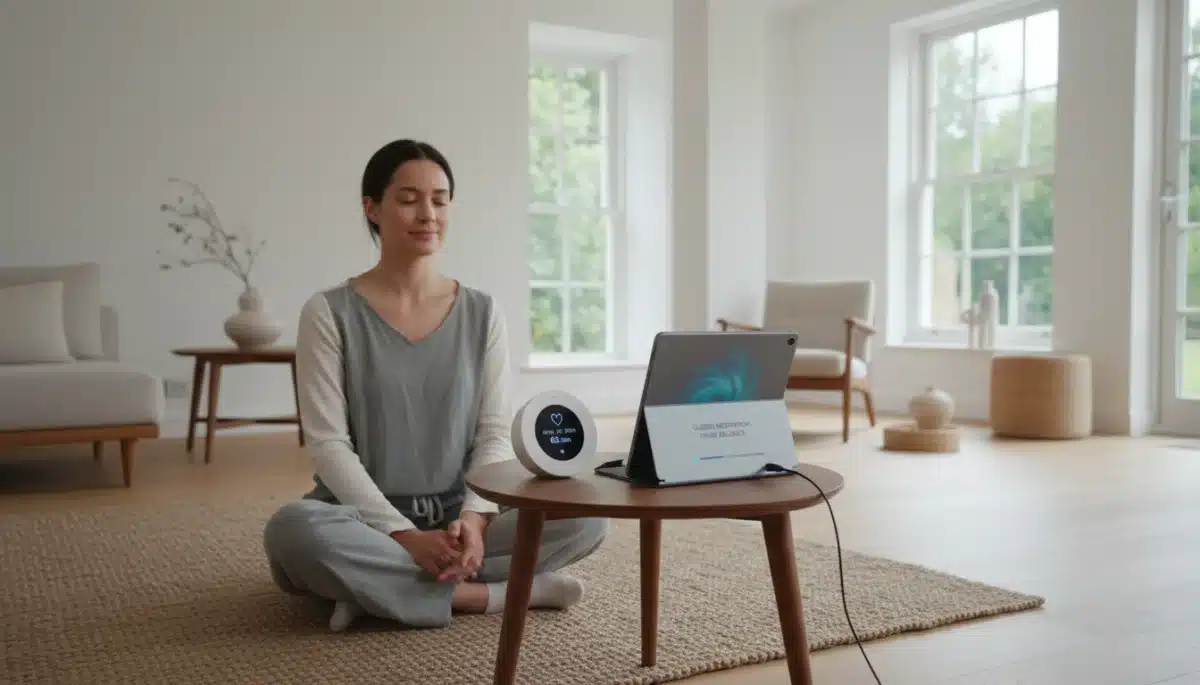
AI-Powered Wellness Apps
Artificial intelligence is revolutionizing how we approach mental health. AI-powered apps offer personalized meditation sessions, cognitive behavioral therapy (CBT) exercises, and mood tracking, adapting to individual needs and progress.
- Personalized Guidance: AI algorithms learn user patterns to suggest tailored interventions for anxiety, sleep, and focus.
- Accessibility: These apps provide immediate support, making mental wellness resources available 24/7 from any location.
- Progress Tracking: Users can monitor their emotional states and identify triggers, leading to greater self-awareness.
Biofeedback and Neurofeedback Devices
Wearable biofeedback and neurofeedback devices provide real-time data on physiological indicators of stress, such as heart rate variability, skin conductance, and brainwave activity. This immediate feedback empowers individuals to learn self-regulation techniques more effectively.
These devices can be particularly useful for those struggling with chronic stress, anxiety disorders, or sleep disturbances. By understanding how their bodies react to stress, individuals can actively train themselves to achieve calmer states. The integration of these tools into daily routines represents a significant leap in personalized stress intervention.
Ultimately, technology, when used judiciously, becomes a powerful ally in our quest for mental well-being. It provides data, guidance, and accessibility that can significantly enhance traditional stress management practices.
Mindfulness and Meditation in a Modern Context
Mindfulness and meditation, ancient practices rooted in wisdom traditions, have found renewed relevance in our fast-paced modern world. Their efficacy in reducing stress, improving focus, and fostering emotional regulation is increasingly supported by scientific research.
In a post-2025 context, these practices are evolving, integrating with technology and adapting to contemporary lifestyles. They offer a vital counterbalance to the constant demands of digital life, providing moments of calm and introspection.
Integrating Digital Mindfulness
Digital mindfulness involves using technology deliberately and consciously, rather than being passively consumed by it. This includes setting boundaries for screen time, engaging in single-tasking rather than multitasking, and using apps specifically designed for mindful practices.
Mindfulness apps now offer guided meditations for various scenarios, from short breaks at work to sleep aids. Virtual reality (VR) and augmented reality (AR) are also being explored to create immersive meditative environments, enhancing the traditional practice with technological innovation.
- Guided Meditations: Accessible audio guides for various durations and purposes, making meditation approachable for beginners.
- VR/AR Immersion: Creating virtual serene landscapes or guided experiences to deepen meditative states and reduce external distractions.
- Mindful Digital Use: Strategies for conscious engagement with technology, preventing digital overload and promoting intentional interaction.
Movement-Based Mindfulness
Beyond seated meditation, movement-based mindfulness practices such as yoga, Tai Chi, and mindful walking are gaining traction. These approaches combine physical activity with present-moment awareness, helping to release tension and improve body-mind connection.
These practices are particularly beneficial for individuals who find traditional seated meditation challenging. The focus on breath and movement helps to anchor attention and reduce rumination, offering a dynamic way to manage stress. Incorporating movement into daily routines can significantly enhance overall well-being.
In essence, modern mindfulness and meditation offer flexible and adaptable pathways to inner peace. Whether through digital aids or physical movement, these practices provide essential tools for navigating the stresses of contemporary life.
Building Resilience through Cognitive Restructuring
Resilience, the ability to bounce back from adversity, is a critical skill for navigating the post-2025 world. A cornerstone of building resilience is cognitive restructuring, a technique derived from cognitive behavioral therapy (CBT) that involves identifying and challenging unhelpful thought patterns.
By consciously altering how we perceive stressful situations, we can change our emotional and behavioral responses. This proactive approach empowers individuals to take control of their mental landscape rather than being overwhelmed by negative thoughts.
Identifying Cognitive Distortions
The first step in cognitive restructuring is to recognize common cognitive distortions, which are biased ways of thinking that can lead to negative emotions. Examples include catastrophizing, all-or-nothing thinking, and overgeneralization.
- Catastrophizing: Assuming the worst possible outcome in any given situation, often disproportionately.
- All-or-Nothing Thinking: Viewing situations in extreme terms, with no middle ground or nuance.
- Overgeneralization: Drawing broad, sweeping conclusions based on a single event or piece of evidence.
Challenging and Reframing Thoughts
Once identified, these distorted thoughts can be challenged. This involves questioning their validity, seeking alternative explanations, and reframing them in a more balanced and realistic light. For instance, instead of thinking, “I always fail,” one might reframe it to, “I encountered a setback, but I can learn from it.”
This process requires consistent practice and self-awareness. Journaling, guided exercises, and working with a therapist can significantly aid in developing this skill. Cognitive restructuring is not about ignoring problems but about approaching them with a more constructive and resilient mindset.
Ultimately, by mastering cognitive restructuring, US adults can cultivate a stronger internal foundation, enabling them to face future challenges with greater composure and adaptability.
The Importance of Social Connection and Community
Even in an increasingly digital world, the fundamental human need for social connection remains paramount for effective stress management. Strong social ties provide emotional support, a sense of belonging, and diverse perspectives, all of which are crucial for mental well-being.
In a post-2025 society, where physical proximity might sometimes be limited, finding creative ways to foster and maintain these connections becomes even more vital. Community engagement, whether online or in person, acts as a powerful buffer against stress and isolation.
Re-evaluating Digital Socializing
While digital platforms can contribute to overload, they also offer avenues for meaningful connection. The key is to engage mindfully, prioritizing quality interactions over quantity. Video calls, online interest groups, and virtual co-working spaces can bridge geographical gaps and foster genuine relationships.
It’s important to differentiate between passive consumption of social media and active, reciprocal engagement. Focusing on platforms that facilitate deeper conversations and shared experiences can transform digital interactions into sources of support.
- Intentional Online Groups: Joining communities focused on shared hobbies or professional interests for genuine interaction.
- Video Conferencing: Utilizing video calls for regular check-ins with friends and family, mimicking in-person interaction.
- Digital Detox Periods: Balancing online engagement with periods of disconnection to prevent burnout and encourage real-world activities.
Cultivating Local Communities
Despite the digital shift, local community involvement remains invaluable. Participating in neighborhood events, volunteering, or joining local clubs provides opportunities for face-to-face interaction and builds a sense of local belonging. These tangible connections offer a different dimension of support that digital interactions cannot fully replicate.
Investing time in local communities strengthens social networks, which are known to be protective factors against chronic stress. These interactions often lead to practical support, shared experiences, and a deeper sense of integration within one’s immediate environment.
In summary, fostering robust social connections, both digitally and locally, is a cornerstone of effective stress management. These relationships provide essential emotional resources and contribute significantly to overall mental resilience.
Personalized Wellness Plans and Preventative Care
Moving beyond reactive coping, a proactive approach to stress management in a post-2025 world emphasizes personalized wellness plans and preventative care. This involves understanding individual needs, identifying potential stressors before they become overwhelming, and implementing tailored strategies.
The concept of ‘one-size-fits-all’ wellness is increasingly outdated. Effective stress management now requires a bespoke approach, integrating various techniques and continually adapting them to life’s changing demands.
Holistic Health Assessments
Modern preventative care often begins with comprehensive holistic health assessments. These go beyond physical check-ups to include evaluations of mental health, lifestyle factors, environmental influences, and even genetic predispositions to stress. Understanding these interconnected elements allows for the creation of truly personalized interventions.
Such assessments might involve consultations with various specialists, from nutritionists to mental health professionals, to build a complete picture of an individual’s well-being profile. The goal is to identify vulnerabilities and strengths, leading to targeted preventative measures.
- Nutritional Guidance: Tailoring diets to support brain health and emotional stability, recognizing the gut-brain axis.
- Sleep Optimization: Developing personalized sleep hygiene routines, potentially leveraging sleep tracking technology.
- Physical Activity Prescriptions: Recommending specific types and intensities of exercise based on individual needs and preferences.
Adaptive Self-Care Strategies
A personalized wellness plan is not static; it’s an adaptive framework. This means regularly reviewing and adjusting self-care strategies based on life changes, stress levels, and personal growth. It encourages individuals to be active participants in their well-being journey.
This might involve incorporating new mindfulness techniques, exploring different forms of physical activity, or seeking additional professional support as needed. The emphasis is on continuous learning and adjustment, ensuring that stress management remains effective and relevant.
Ultimately, embracing personalized wellness plans and preventative care empowers US adults to build enduring resilience, transforming stress from an overwhelming burden into a manageable aspect of life.
| Key Technique | Brief Description |
|---|---|
| Digital Mindfulness | Conscious engagement with technology to prevent overload and enhance well-being. |
| Cognitive Restructuring | Identifying and challenging negative thought patterns to foster resilience. |
| Personalized Wellness Plans | Tailoring stress management strategies to individual needs and lifestyle. |
| Biofeedback Integration | Using devices for real-time physiological feedback to improve self-regulation. |
Frequently Asked Questions
Post-2025, US adults primarily face increased digital overload, constant connectivity expectations, and heightened environmental and societal uncertainties. These new pressures demand adaptive coping mechanisms beyond traditional stress relief strategies.
Technology offers AI-powered wellness apps for personalized guidance, biofeedback devices for real-time physiological data, and immersive VR/AR meditation experiences. These tools provide accessible, data-driven support, enhancing self-awareness and self-regulation for stress reduction.
Cognitive restructuring is a technique to identify and challenge unhelpful thought patterns, replacing them with more balanced perspectives. It’s crucial for resilience as it empowers individuals to reframe stressful situations, thereby altering emotional responses and improving coping abilities.
Maintaining social connections in a digital age involves mindful engagement with online platforms, prioritizing quality video calls and intentional online communities. Balancing digital interactions with local community involvement and periodic digital detoxes ensures genuine, supportive relationships.
Personalized wellness plans are central to preventative stress care by tailoring strategies to individual needs, lifestyle, and predispositions. They involve holistic health assessments and adaptive self-care, ensuring effective, evolving interventions to proactively manage stress before it becomes chronic.
Conclusion
The journey to effective stress management techniques in a post-2025 world is dynamic and personal. For US adults, it necessitates a blend of traditional wisdom and innovative technological solutions, coupled with a deep understanding of evolving stressors. By embracing digital mindfulness, cultivating strong social ties, building cognitive resilience, and committing to personalized wellness plans, individuals can navigate modern challenges with greater ease and foster lasting mental well-being. The future of stress management is not about eliminating stress, but about developing the sophisticated tools and adaptable mindset to thrive amidst its presence.
