Finding Your Calm: Top 5 Meditation Practices in the US for 2026
Anúncios
The top 5 meditation practices gaining popularity in the US for 2026 include Mindfulness-Based Stress Reduction, Transcendental Meditation, Loving-Kindness Meditation, Vipassana, and Sound Bath Meditation, offering diverse paths to inner peace and enhanced well-being.
Anúncios
In a world that constantly demands our attention, the quest for inner peace has never been more vital. As we navigate the complexities of modern life, more Americans are turning to ancient and contemporary techniques to quiet the mind and foster well-being. This article explores Finding Your Calm: Top 5 Meditation Practices Gaining Popularity in the US for 2026, offering insights into how these methods can transform your daily existence.
The Resurgence of Mindfulness-Based Stress Reduction (MBSR)
Mindfulness-Based Stress Reduction, or MBSR, continues its ascent as a cornerstone practice in the US. Developed by Jon Kabat-Zinn, MBSR is not just a meditation technique but a comprehensive program designed to cultivate present-moment awareness and reduce the impact of stress on daily life. Its clinical backing and adaptability make it particularly appealing.
Anúncios
The program typically spans eight weeks, combining guided meditations, gentle yoga, and group discussions. Participants learn to observe their thoughts, feelings, and bodily sensations without judgment, fostering a sense of calm and clarity that extends beyond the meditation cushion. This systematic approach is proving incredibly effective for many.
Core Components of MBSR
- Body Scan Meditation: A practice where attention is systematically directed to different parts of the body, noticing sensations as they arise.
- Sitting Meditation: Focusing on the breath, sounds, thoughts, and emotions as they enter and leave awareness.
- Mindful Movement (Yoga): Engaging in gentle physical exercises with full attention to bodily sensations and breathing.
- Informal Mindfulness Practices: Bringing awareness to everyday activities like eating, walking, or washing dishes.
The scientific community consistently validates MBSR’s benefits, showing significant improvements in stress levels, anxiety, depression, and even chronic pain. Its integration into healthcare systems and corporate wellness programs across the US is a testament to its enduring popularity and proven efficacy. For those seeking a structured path to peace, MBSR offers a robust framework.
Transcendental Meditation (TM): Simplicity and Profound Impact
Transcendental Meditation (TM) stands out for its simplicity and profound effects, attracting a growing number of adherents in 2026. Unlike some other forms of meditation that require intense concentration, TM involves silently repeating a mantra, a specific sound or word, for 15-20 minutes twice a day. This effortless technique allows the mind to settle down to its quietest state.
The practice is taught through a standardized, seven-step course by certified TM teachers. Each individual receives a personalized mantra, which is kept private. The goal is not to control thoughts but to transcend them, allowing the nervous system to experience deep rest, often deeper than sleep, leading to reduced stress and enhanced mental clarity.
Benefits Reported by TM Practitioners
- Reduced Stress and Anxiety: TM has been shown to lower cortisol levels and decrease symptoms of anxiety.
- Improved Mental Clarity: Regular practice can enhance focus, creativity, and problem-solving abilities.
- Better Sleep Quality: Many practitioners report falling asleep more easily and experiencing more restorative sleep.
- Enhanced Well-being: A general sense of calm, happiness, and inner peace is a common outcome.
TM’s appeal lies in its effortless nature and the substantial body of research supporting its physiological and psychological benefits. From celebrities to busy professionals and veterans, people across various demographics are embracing TM as a powerful tool for managing stress and cultivating a more balanced life. Its continued growth reflects a desire for effective, accessible methods of self-care.
Loving-Kindness Meditation (Metta): Cultivating Compassion
Loving-Kindness Meditation, or Metta, is experiencing a significant surge in popularity, particularly in an era where connection and empathy are highly valued. This practice focuses on developing feelings of warmth, goodwill, and compassion towards oneself and others. It is a powerful antidote to negativity and a catalyst for emotional healing.
The practice typically involves silently repeating phrases that express wishes for well-being, happiness, and freedom from suffering. These phrases are first directed towards oneself, then towards loved ones, neutral individuals, difficult people, and finally, all beings. This systematic expansion of compassion helps to dissolve barriers and foster a sense of interconnectedness.
Metta meditation is particularly beneficial for those struggling with self-criticism, anger, resentment, or feelings of isolation. By actively cultivating positive emotions, practitioners can shift their internal landscape, leading to greater emotional resilience and improved relationships. It’s a proactive approach to fostering inner peace and outer harmony.
Phases of Metta Practice
- Self-Compassion: Directing loving-kindness towards oneself, acknowledging one’s own struggles and desires for happiness.
- Loved Ones: Extending these same wishes to family, friends, and anyone held dear.
- Neutral People: Cultivating goodwill towards acquaintances or those for whom one feels neither strong positive nor negative emotions.
- Difficult People: Consciously sending loving-kindness to individuals with whom one has conflict or difficulty.
- All Beings: Expanding the circle of compassion to encompass all living creatures without distinction.
The growing interest in Metta reflects a societal shift towards prioritizing emotional intelligence and communal well-being. Its simple yet profound methodology makes it accessible to beginners, while its transformative potential offers deep healing for experienced meditators. This practice is a gentle yet powerful way to soften the heart and cultivate a more compassionate outlook on life.
Vipassana Meditation: Insight into Reality
Vipassana, meaning ‘to see things as they really are,’ is an ancient Indian meditation technique that is gaining considerable traction in the US for its direct approach to self-observation and purification of the mind. Often taught in intensive 10-day retreats, Vipassana emphasizes sustained attention to bodily sensations and the breath, without reacting to them.
The practice aims to develop deep insight into the impermanent, unsatisfactory, and non-self nature of existence. By observing the constant flux of sensations, thoughts, and emotions, practitioners learn to detach from cravings and aversions, which are considered the root causes of suffering. This leads to a profound understanding of one’s own mind and a release from habitual patterns.
While challenging due to its rigorous nature and emphasis on silence, the transformative potential of Vipassana is highly regarded. Many participants report significant breakthroughs in understanding themselves and their relationship to the world, leading to lasting changes in behavior and emotional responses. Its popularity underscores a growing desire for authentic self-discovery.
Key Principles of Vipassana
- Anapana-sati (Breath Observation): Focusing attention on the natural, normal respiration at the entrance of the nostrils.
- Observing Sensations: Systematically scanning the body, observing all physical sensations without judgment or reaction.
- Equanimity: Maintaining a balanced mind, neither craving pleasant sensations nor having aversion to unpleasant ones.
- Impermanence (Anicca): Understanding that all phenomena are constantly changing and nothing lasts forever.
The increasing availability of Vipassana centers and online resources is making this profound practice more accessible to a wider audience. For those ready to commit to an intense journey of self-exploration and mental purification, Vipassana offers a path to genuine liberation and a deeper understanding of reality. It’s a practice that truly pushes the boundaries of conventional meditation.
Sound Bath Meditation: Vibrational Healing
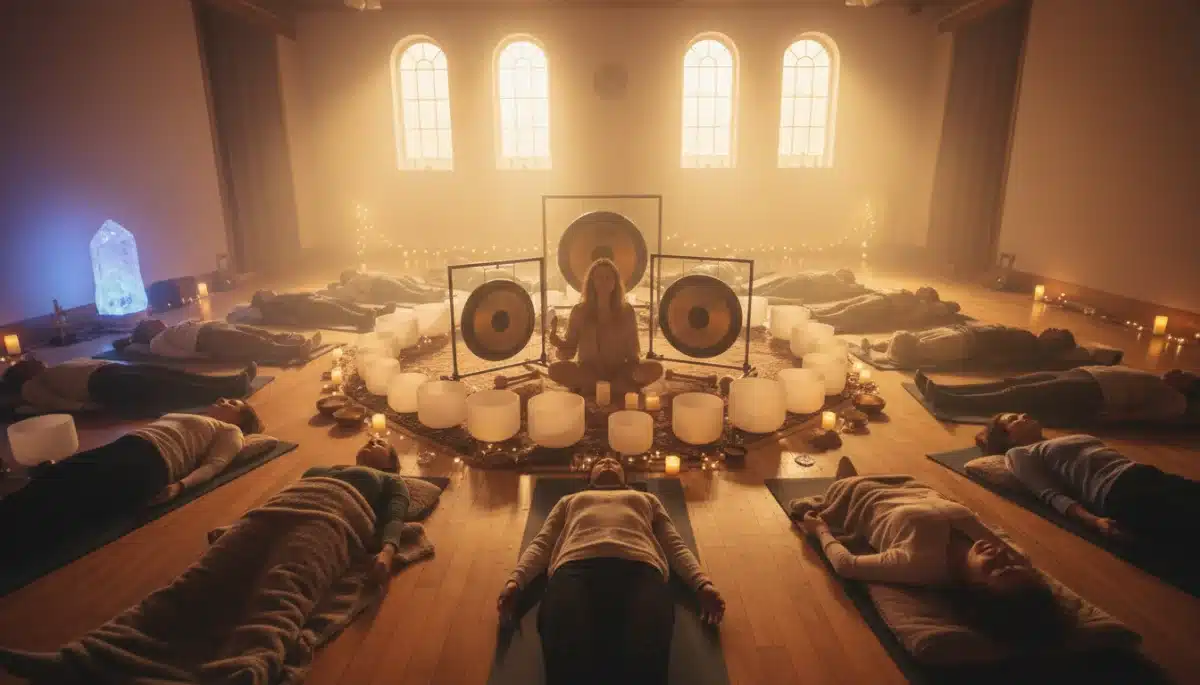
Sound Bath Meditation is rapidly emerging as a popular modality for relaxation and healing in the US, leveraging the power of vibrational frequencies to induce a meditative state. Participants lie down comfortably while a practitioner plays various instruments such as crystal singing bowls, gongs, chimes, and other therapeutic sound tools. The sounds create an immersive, resonant environment.
The theory behind sound baths is that the vibrations of the instruments penetrate the body, promoting deep relaxation, balancing energy centers, and facilitating emotional release. Many people find it easier to enter a meditative state during a sound bath compared to traditional silent meditation, as the sounds provide a focal point and gently guide the mind into stillness.
This practice is gaining traction in wellness studios, yoga centers, and even corporate settings, offering a unique and accessible way to de-stress and rejuvenate. The experience is often described as deeply calming, sometimes leading to vivid dreams or a profound sense of peace. For those seeking a passive yet powerful meditative experience, sound baths offer an inviting avenue.
Instruments Commonly Used in Sound Baths
- Crystal Singing Bowls: Made from quartz crystal, they produce pure, resonant tones believed to align with the body’s chakras.
- Tibetan Singing Bowls: Traditional metal bowls that produce rich, complex overtones when played.
- Gongs: Large, powerful instruments that create deep, sustained vibrations capable of inducing altered states of consciousness.
- Chimes and Tuning Forks: Used for more subtle, focused vibrational healing and energy clearing.
The sensory richness of sound bath meditation makes it particularly appealing to those who find traditional meditation challenging. It offers a unique blend of ancient wisdom and modern therapeutic application, providing a deeply restorative experience for both mind and body. As awareness of its benefits grows, so too does its presence in the American wellness landscape.
Integrating Meditation into Daily American Life
The increasing popularity of these diverse meditation practices in the US signifies a collective shift towards prioritizing mental and emotional well-being. Integrating meditation into daily life is no longer seen as an esoteric practice but as a practical tool for managing stress, enhancing focus, and cultivating inner peace. The accessibility of apps, online courses, and local studios has made this integration easier than ever before.
Many Americans are discovering that even short, consistent meditation sessions can yield significant benefits. Whether it’s a 10-minute mindfulness exercise before work, a 20-minute TM session, or a weekly sound bath, these practices offer a personalized pathway to a calmer, more centered existence. The key is finding a practice that resonates with individual needs and lifestyle.
Tips for Consistent Practice
- Start Small: Begin with just 5-10 minutes a day and gradually increase duration as you feel comfortable.
- Find a Quiet Space: Designate a specific area in your home where you can meditate without interruptions.
- Use Guided Meditations: Apps like Calm, Headspace, or Insight Timer offer a wealth of guided sessions for all levels.
- Be Patient and Kind: It’s normal for the mind to wander. Gently bring your attention back without judgment.
The journey to finding your calm is a personal one, but the growing array of popular meditation practices in 2026 provides ample guidance and support. From the structured approach of MBSR to the vibrational healing of sound baths, there is a method for everyone seeking to cultivate a more peaceful and balanced life. Embracing these practices can lead to profound personal transformation and a greater sense of well-being in a fast-paced world.
| Practice | Key Benefit |
|---|---|
| MBSR | Systematic stress reduction and present-moment awareness. |
| Transcendental Meditation | Effortless deep rest, reduced stress, and enhanced clarity. |
| Loving-Kindness Meditation | Cultivating compassion for self and others, emotional healing. |
| Sound Bath Meditation | Vibrational healing, deep relaxation, and easy meditative states. |
Frequently Asked Questions About Meditation in the US
For beginners, Mindfulness-Based Stress Reduction (MBSR) or guided meditations found on apps are often the easiest to start with. MBSR offers a structured program, while guided sessions provide clear instructions, making the initial steps into meditation less daunting and more accessible.
Even short periods of meditation can yield benefits. Starting with 5-10 minutes daily is a great way to build consistency. As you become more comfortable, you can gradually increase the duration. The key is regular practice rather than extended, infrequent sessions.
While not strictly necessary to start, Vipassana is traditionally taught in intensive 10-day retreats. These retreats provide an immersive environment crucial for learning the technique deeply and experiencing its transformative effects. Many find the retreat setting invaluable for their initial practice.
Sound Bath Meditation offers deep relaxation, stress reduction, and emotional release through vibrational frequencies. It can help balance energy, improve sleep, and facilitate entry into meditative states, often proving easier for those who struggle with silent meditation.
Embracing a Calmer Future
As we look to 2026, the landscape of wellness in the US is clearly moving towards more holistic and accessible approaches to mental health. The enduring popularity and innovative adaptations of meditation practices like MBSR, Transcendental Meditation, Loving-Kindness Meditation, Vipassana, and Sound Bath Meditation underscore a collective desire for deeper peace and resilience. These practices offer not just temporary relief but pathways to sustained well-being, equipping individuals with the tools to navigate life’s challenges with greater equanimity. By integrating these powerful techniques into our routines, we can cultivate a calmer, more compassionate, and more focused existence, truly finding our calm in an ever-evolving world.
